Experience the power of results with Greendot Management Solutions

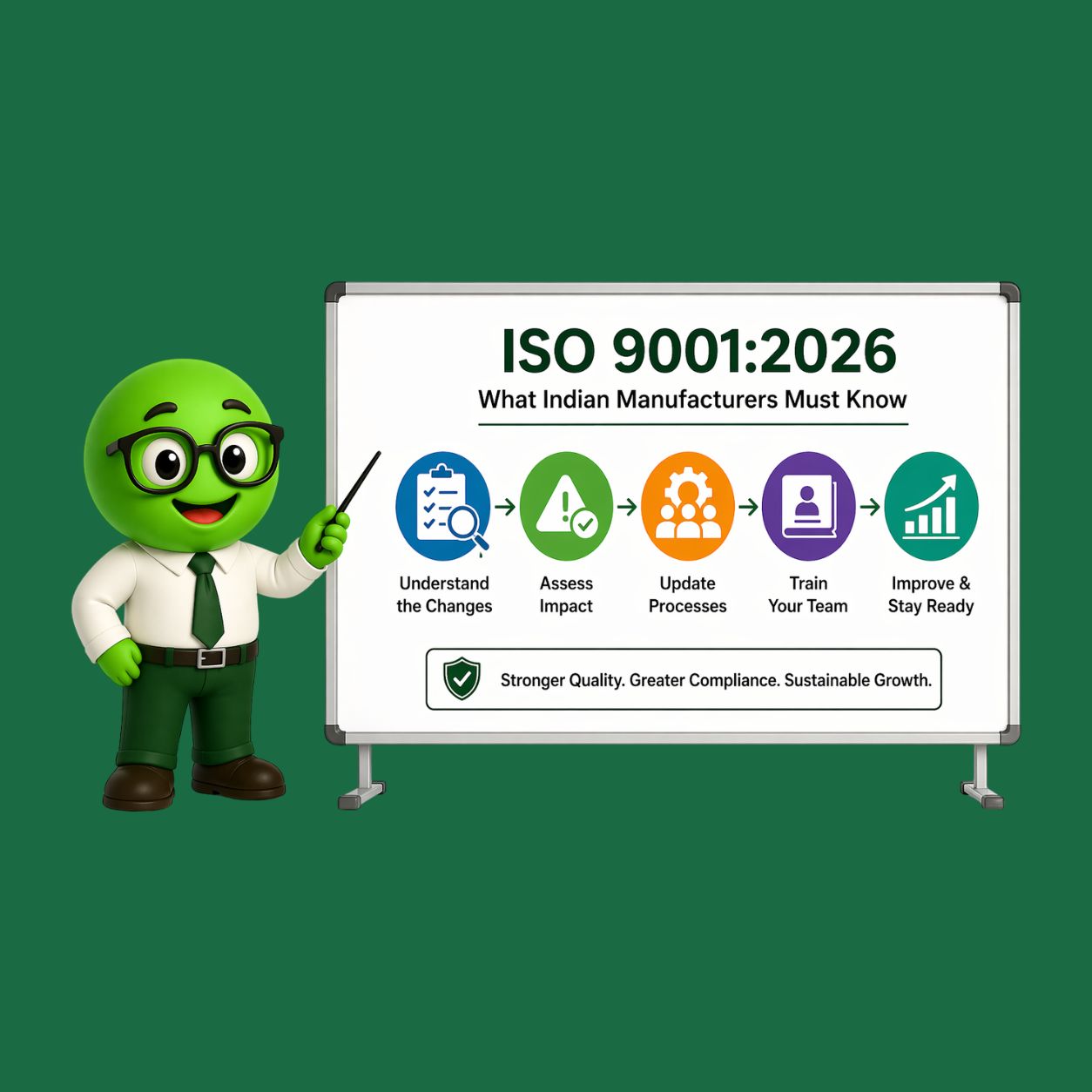
ISO 9001:2026 — The Upcoming Revision: What Indian Manufacturers Must Know and How to Prepare

ISO 9001:2026 — The Upcoming Revision: What Indian Manufacturers Must Know and How to Prepare

ISO 9001 — the world’s most widely adopted quality management standard with over one million certified organizations globally — is undergoing its most significant revision since 2015. The new ISO 9001:2026 standard is expected to be published in the second half of 2026, with a transition period of approximately 3 years following publication. For Indian

Read More
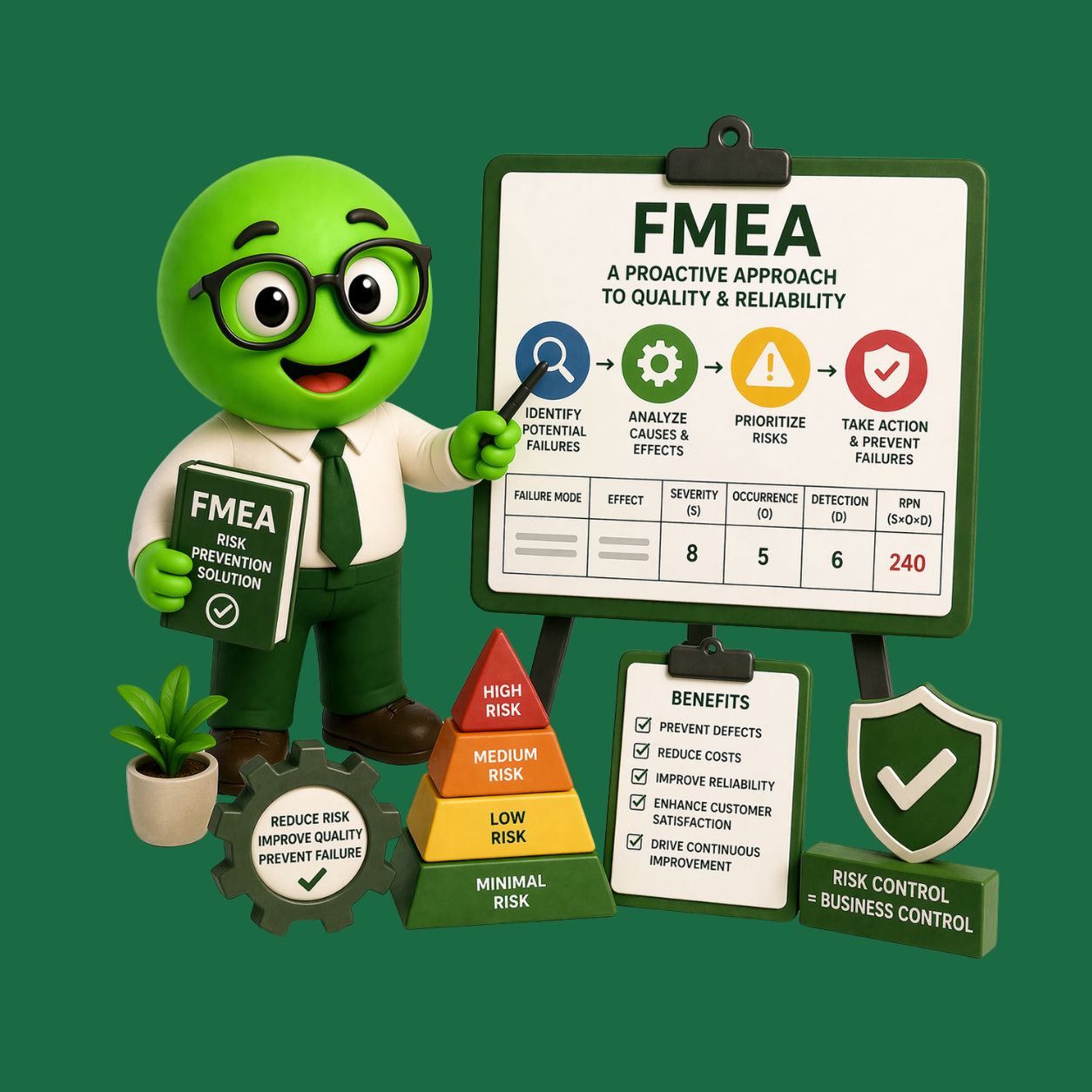
FMEA — Failure Mode and Effect Analysis: The Risk Prevention Tool Every Indian Manufacturer Needs to Master

FMEA — Failure Mode and Effect Analysis: The Risk Prevention Tool Every Indian Manufacturer Needs to Master

A chemical plant in Surat had a critical batch reactor that experienced an unexpected pressure build-up twice in one year — each time resulting in emergency shutdown, production loss, and a near-miss safety incident. When Greendot consultants facilitated an FMEA workshop, the team identified 14 failure modes in the reactor system — 3 of which

Read More
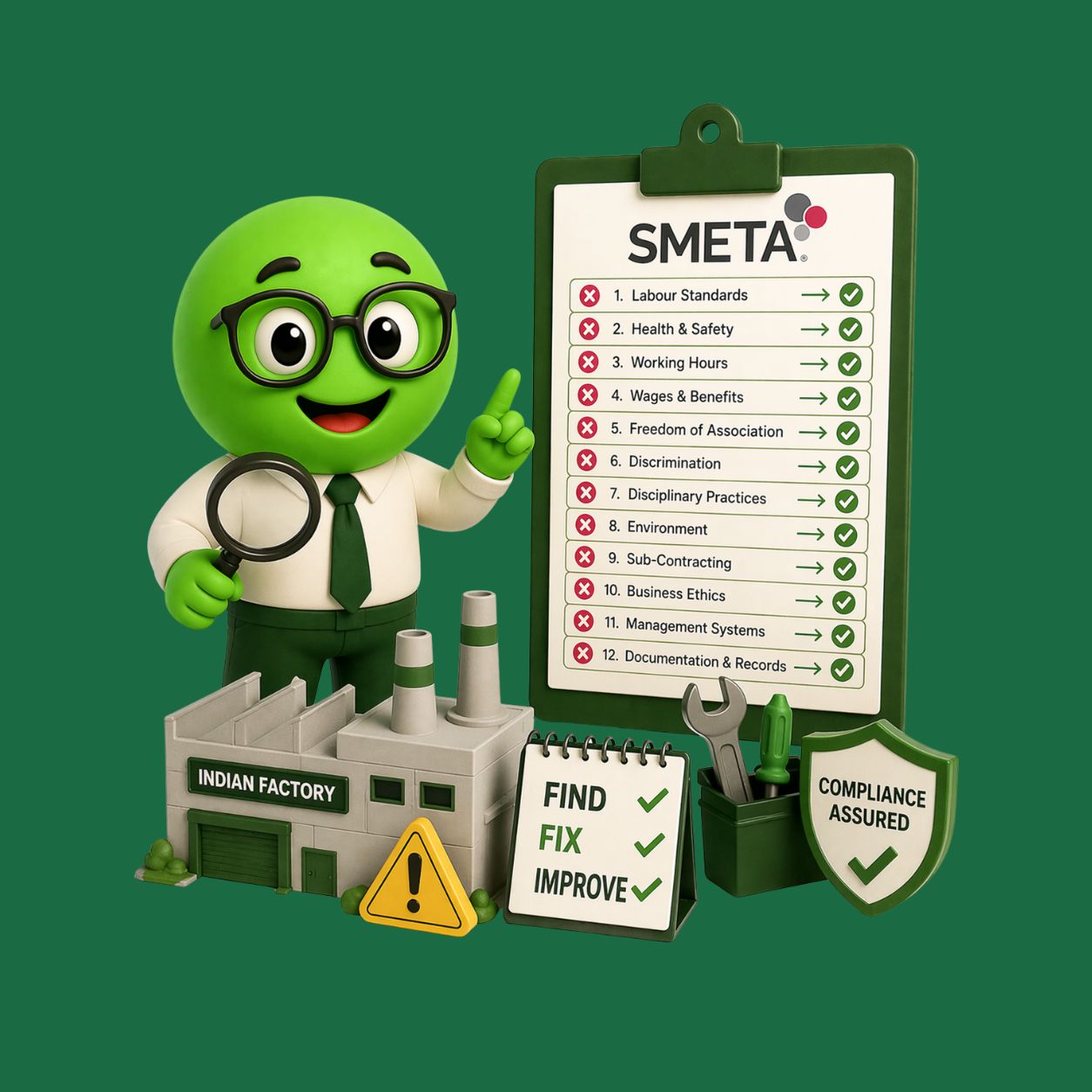
The 12 Most Common SMETA Non-Conformances Found in Indian Factories — and How to Fix Every One

The 12 Most Common SMETA Non-Conformances Found in Indian Factories — and How to Fix Every One

Every SMETA audit tells a story. And across hundreds of audits in Indian factories — from pharmaceutical plants in Hyderabad to chemical units in Vapi and engineering workshops in Pune — certain findings appear again and again. These are not unique failures. They are systemic patterns rooted in how Indian manufacturing has traditionally operated: informal

Read More
The ETI Base Code: What It Is, Why Your Buyers Use It, and How Every Indian Exporter Must Comply

The ETI Base Code: What It Is, Why Your Buyers Use It, and How Every Indian Exporter Must Comply

When your SMETA auditor arrives, everything they measure is based on a single underlying framework: the ETI Base Code. When your buyer talks about ‘ethical trade standards,’ ‘labor compliance,’ or ‘responsible sourcing,’ they are almost certainly referring to the ETI Base Code. And yet most Indian MSME factory owners and compliance managers have never read

Read More
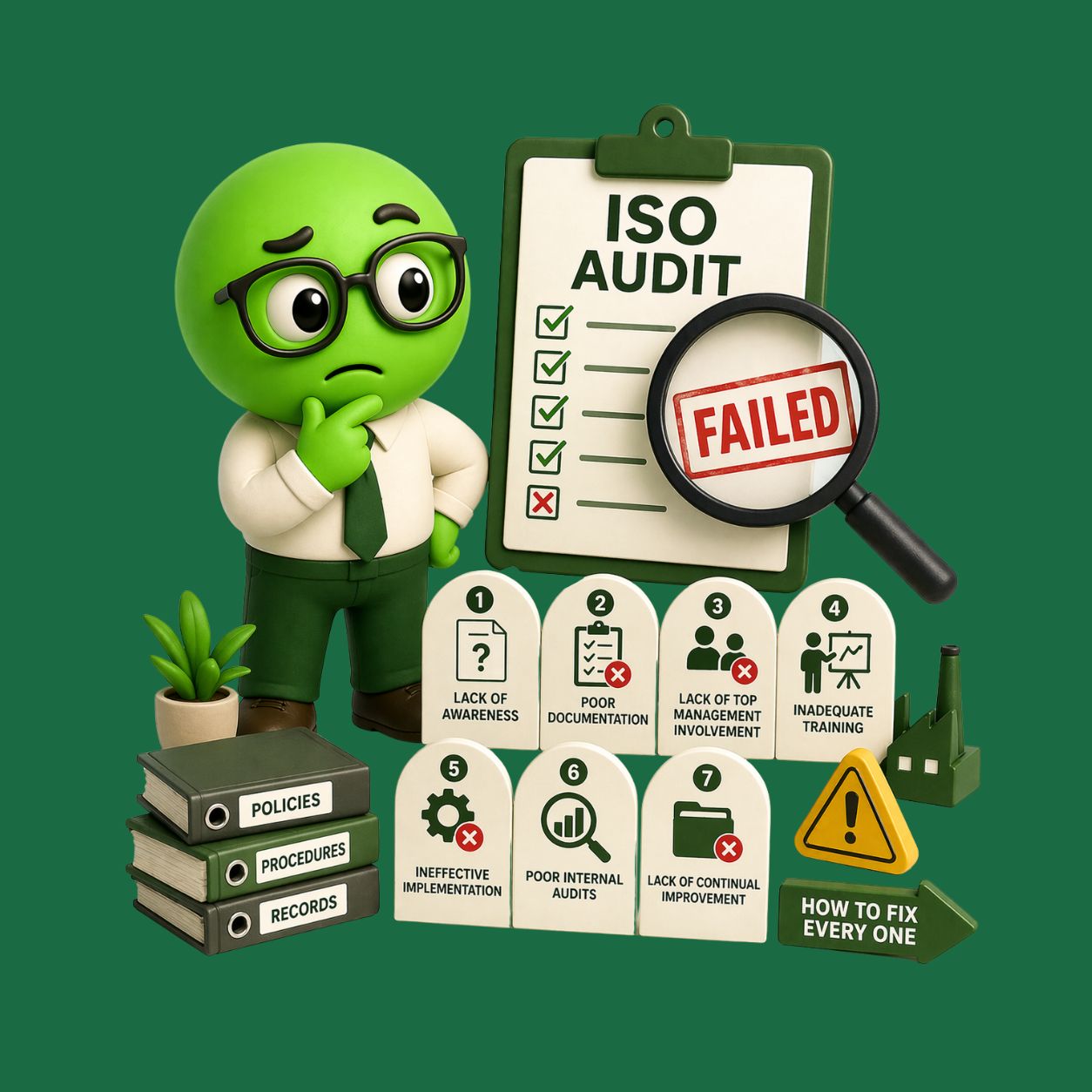
Why Indian MSMEs Fail ISO Audits: The 7 Real Reasons — and How to Fix Every One

Why Indian MSMEs Fail ISO Audits: The 7 Real Reasons — and How to Fix Every One

Every year, hundreds of Indian MSME factories arrive at their ISO audit with confidence — and leave with a list of non-conformances (NCRs) that surprises and frustrates them. ‘We have been following the same processes for years. We trained our people. We have all the documents. What went wrong?’ The answer is almost always the

Read More
EU REACH Compliance for Indian Chemical Exporters: A Practical Guide for 2026 and Beyond

EU REACH Compliance for Indian Chemical Exporters: A Practical Guide for 2026 and Beyond

If your company exports any chemical substance to the European Union — even as part of a finished product — and the quantity exceeds 1 tonne per year, REACH compliance is not optional. It is a legal requirement. Non-compliance can result in your company being permanently banned from EU markets. Yet the majority of small

Read More
SMETA Audit Preparation Checklist: 30 Things Every Indian Factory Must Do Before the Auditor Arrives

SMETA Audit Preparation Checklist: 30 Things Every Indian Factory Must Do Before the Auditor Arrives

The auditor arrives tomorrow. Do you know where your fire drill records are? Can your workers explain the grievance procedure in their own words? Is your latest chemical disposal licence current? For hundreds of Indian factories every year, these questions trigger panic — because SMETA audit preparation was treated as a last-minute scramble rather than

Read More
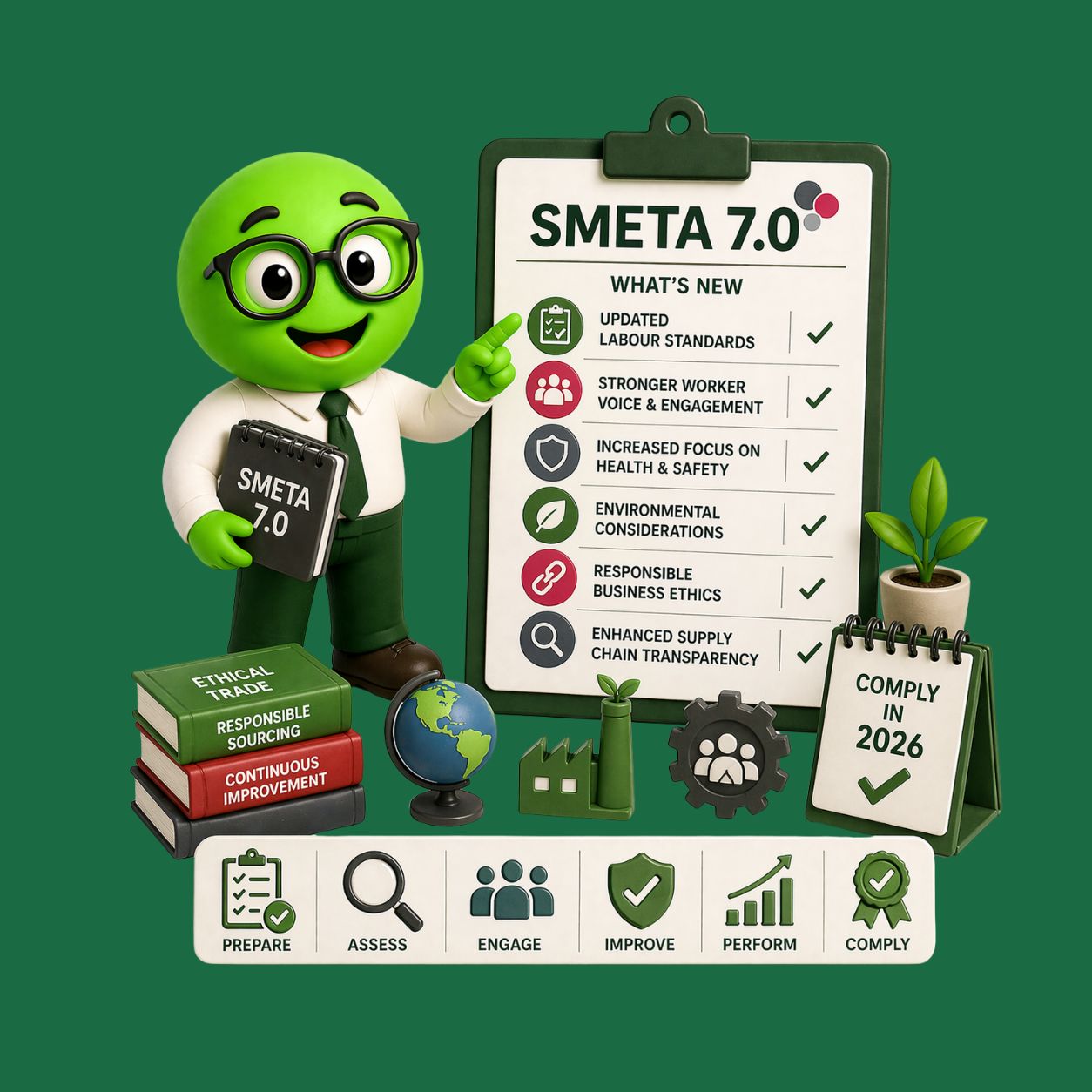
SMETA 7.0: The Complete Guide (What’s New, Key Changes & How to Comply in 2026)

SMETA 7.0: The Complete Guide (What’s New, Key Changes & How to Comply in 2026)

1. What Is SMETA — And How Does It Work? SMETA (SEDEX Members Ethical Trade Audit) is one of the world’s most widely used ethical audit methodologies, developed by SEDEX (Supplier Ethical Data Exchange). It provides a standardized framework for assessing supplier sites against responsible business practices — covering labor rights, health and safety, environmental

Read More
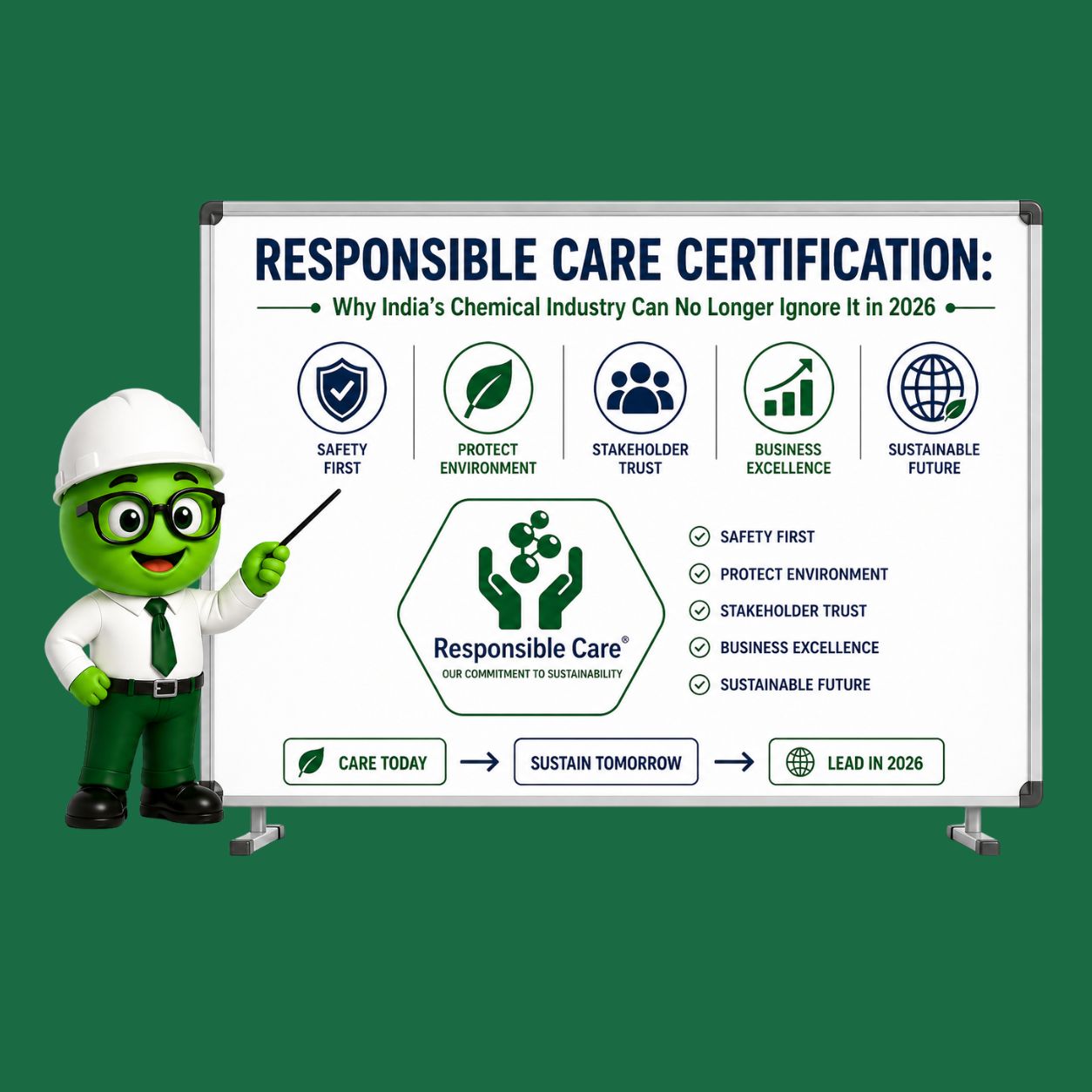
Responsible Care Certification: Why India’s Chemical Industry Can No Longer Ignore It in 2026

Responsible Care Certification: Why India’s Chemical Industry Can No Longer Ignore It in 2026

A chemical company in Gujarat recently lost a major export contract to a European buyer — not because of product quality, but because they could not demonstrate responsible chemical management practices. The buyer’s procurement checklist included Responsible Care membership, and the factory had never heard of it. This scenario is becoming increasingly common. As global

Read More
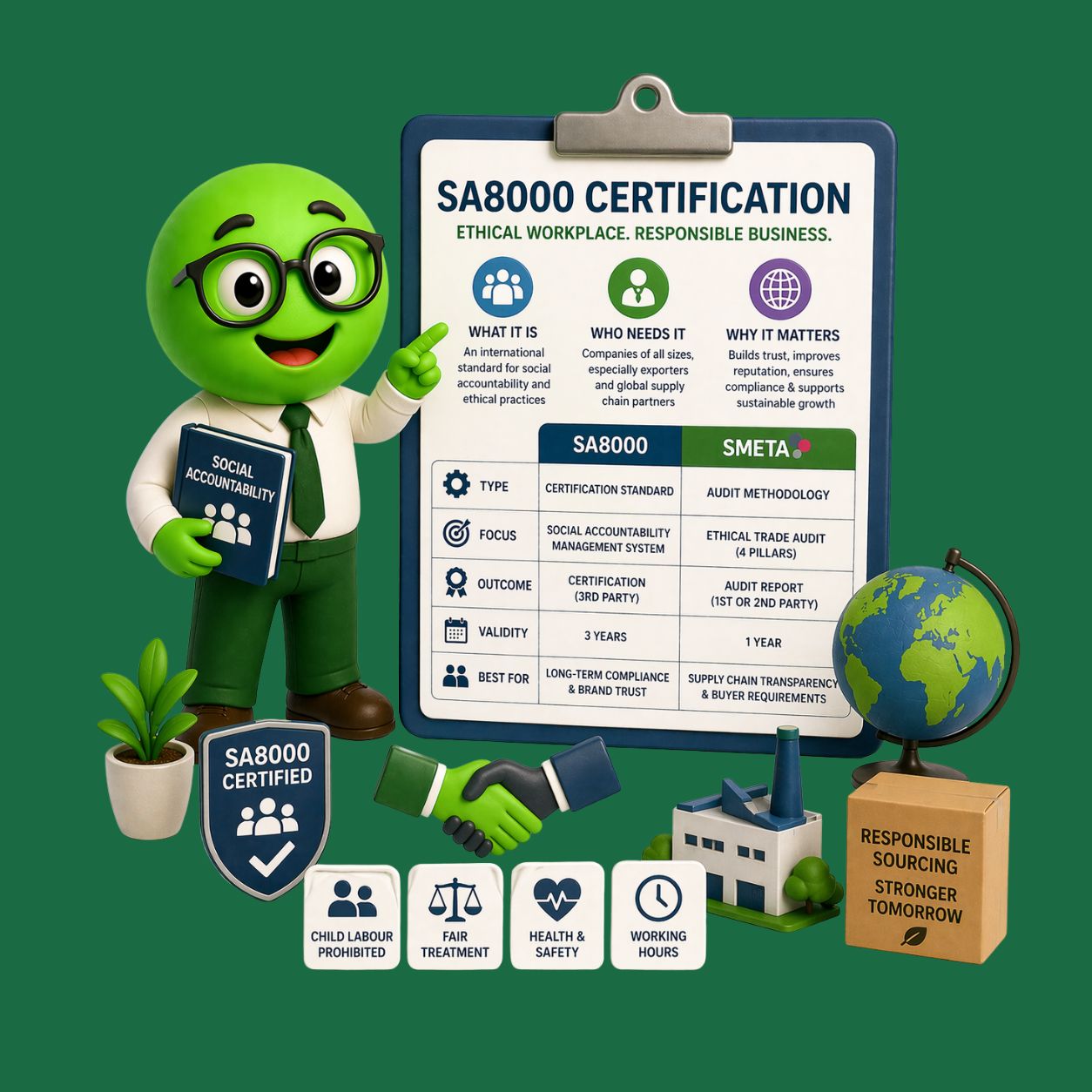
SA8000 Certification : What It Is, Who Needs It, and How It Compares to SMETA for Indian Exporters

SA8000 Certification : What It Is, Who Needs It, and How It Compares to SMETA for Indian Exporters

Your buyer has sent two requests: one for a SMETA audit, and one asking whether your factory is SA8000 certified. You are familiar with SMETA. But SA8000 is less well-known in the Indian MSME space — and yet it is increasingly appearing in supplier questionnaires, especially for buyers in the apparel, pharma, retail, and food

Read More
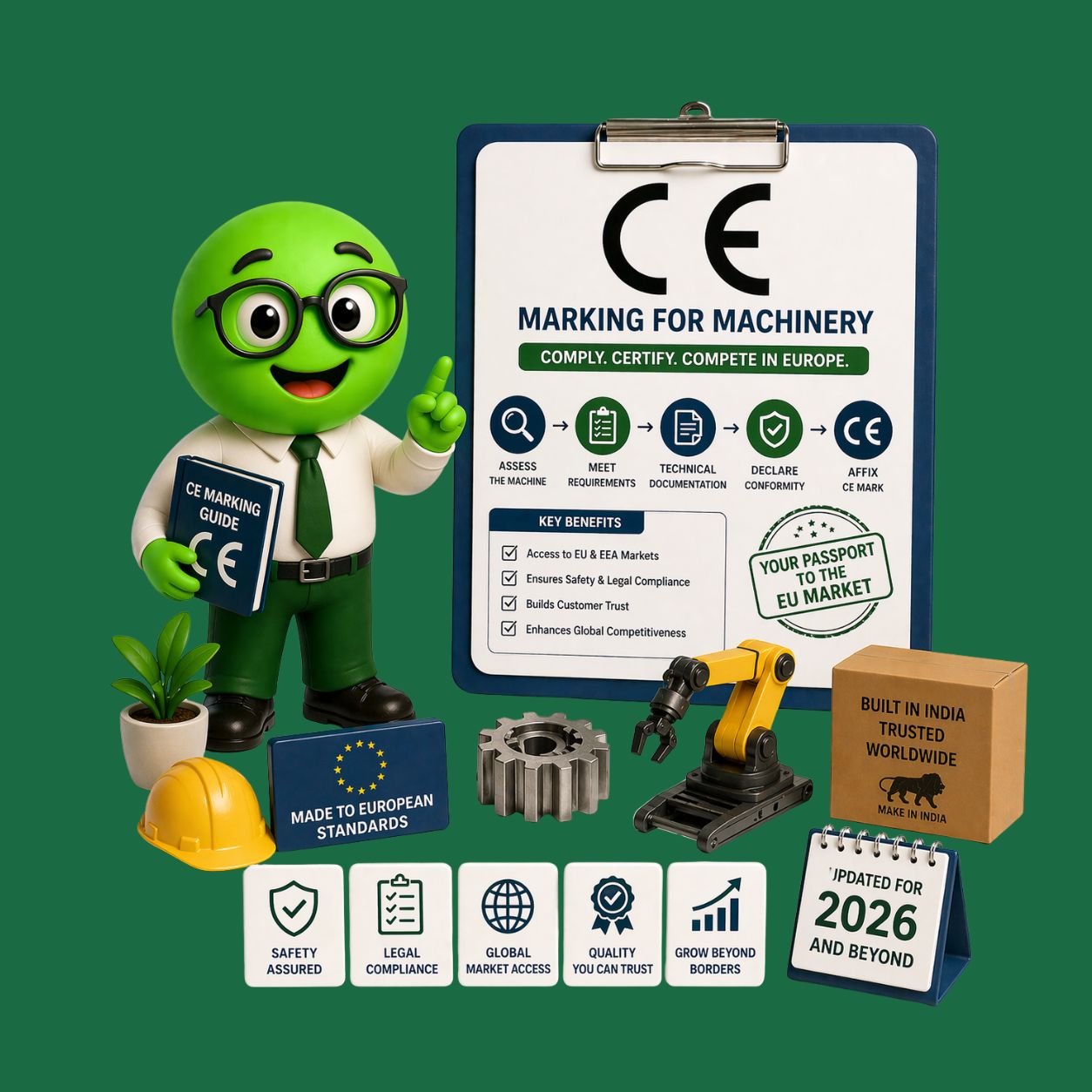
CE Marking for Machinery: The Complete Guide for Indian Engineering Exporters in 2026

CE Marking for Machinery: The Complete Guide for Indian Engineering Exporters in 2026

Your EU buyer has asked: ‘Does your machine carry a CE mark?’ If your answer is anything other than ‘Yes, with a full technical file and Declaration of Conformity’ — you may be unable to ship to the European market. CE marking is the single most critical product compliance requirement for Indian engineering companies exporting

Read More
OEE — Overall Equipment Effectiveness: How to Calculate It, What Score to Target, and How to Improve It in Indian Factories

OEE — Overall Equipment Effectiveness: How to Calculate It, What Score to Target, and How to Improve It in Indian Factories

Most Indian factory managers can tell you their production output. Very few can tell you their OEE — and fewer still understand why OEE is a fundamentally more useful number than production output alone. OEE (Overall Equipment Effectiveness) is the global gold standard metric for measuring how effectively your manufacturing equipment is being used. It

Read More
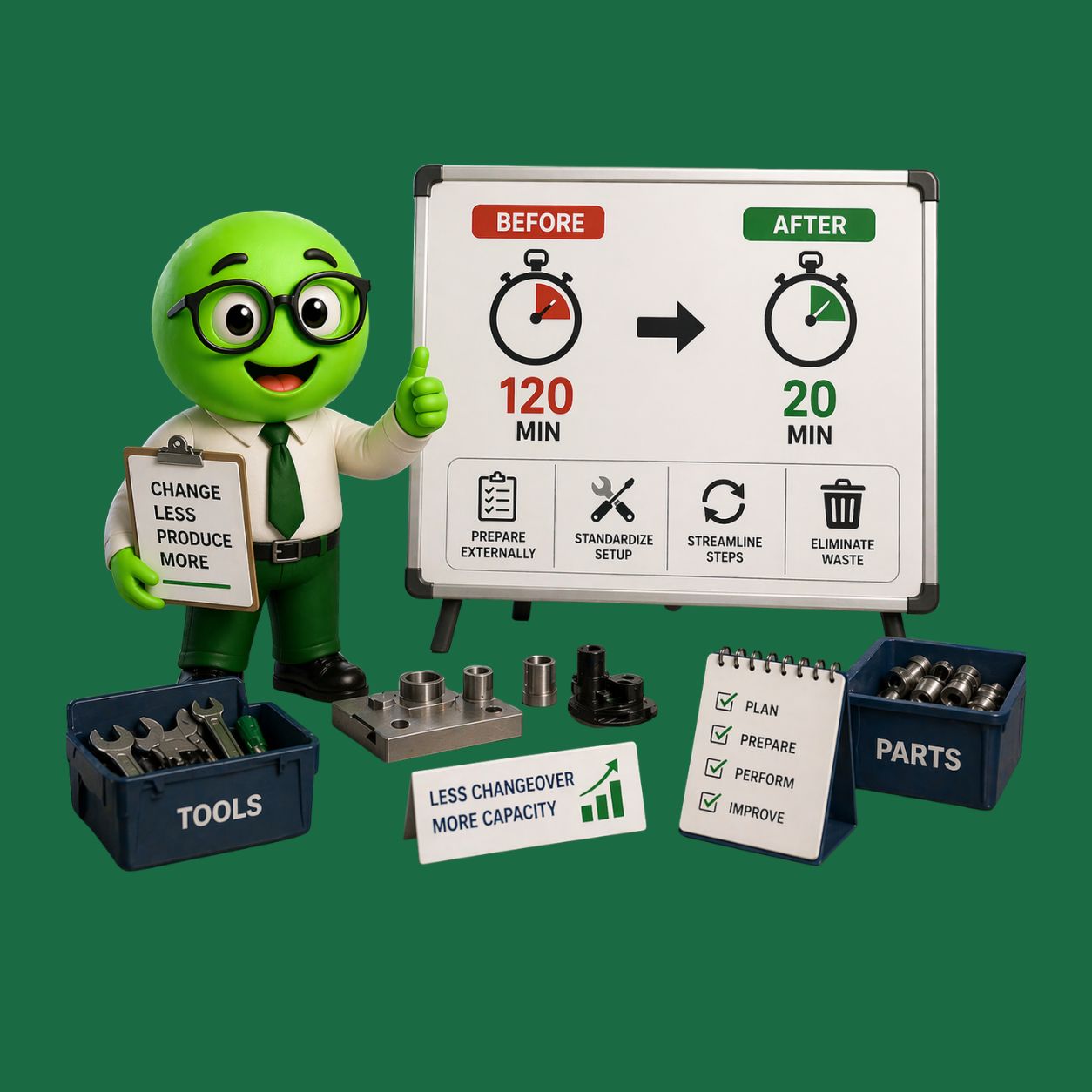
SMED: How to Slash Changeover Time and Unlock Hidden Capacity In Indian Manufacturing Plants

SMED: How to Slash Changeover Time and Unlock Hidden Capacity In Indian Manufacturing Plants

A pharma packaging line in Ahmedabad was spending 4.5 hours changing over between product batches. After a 3-month SMED project, the same changeover took 38 minutes. Output capacity increased by 35% — without adding a single machine or worker. This is not an exceptional result. Across India’s manufacturing sector — from pharmaceutical fill-finish lines to

Read More
5S Implementation in Chemical Plants: Why Safety, Compliance, and Productivity All Start with Workplace Organization

5S Implementation in Chemical Plants: Why Safety, Compliance, and Productivity All Start with Workplace Organization

An auditor conducting a SMETA 4-Pillar assessment at a Gujarat chemical plant spent the first 20 minutes of the factory tour walking through the production area. She said nothing — but she was noting everything: chemicals stored without labels, blocked emergency exits, SDS sheets buried under stacks of paper, PPE hanging on a hook next

Read More
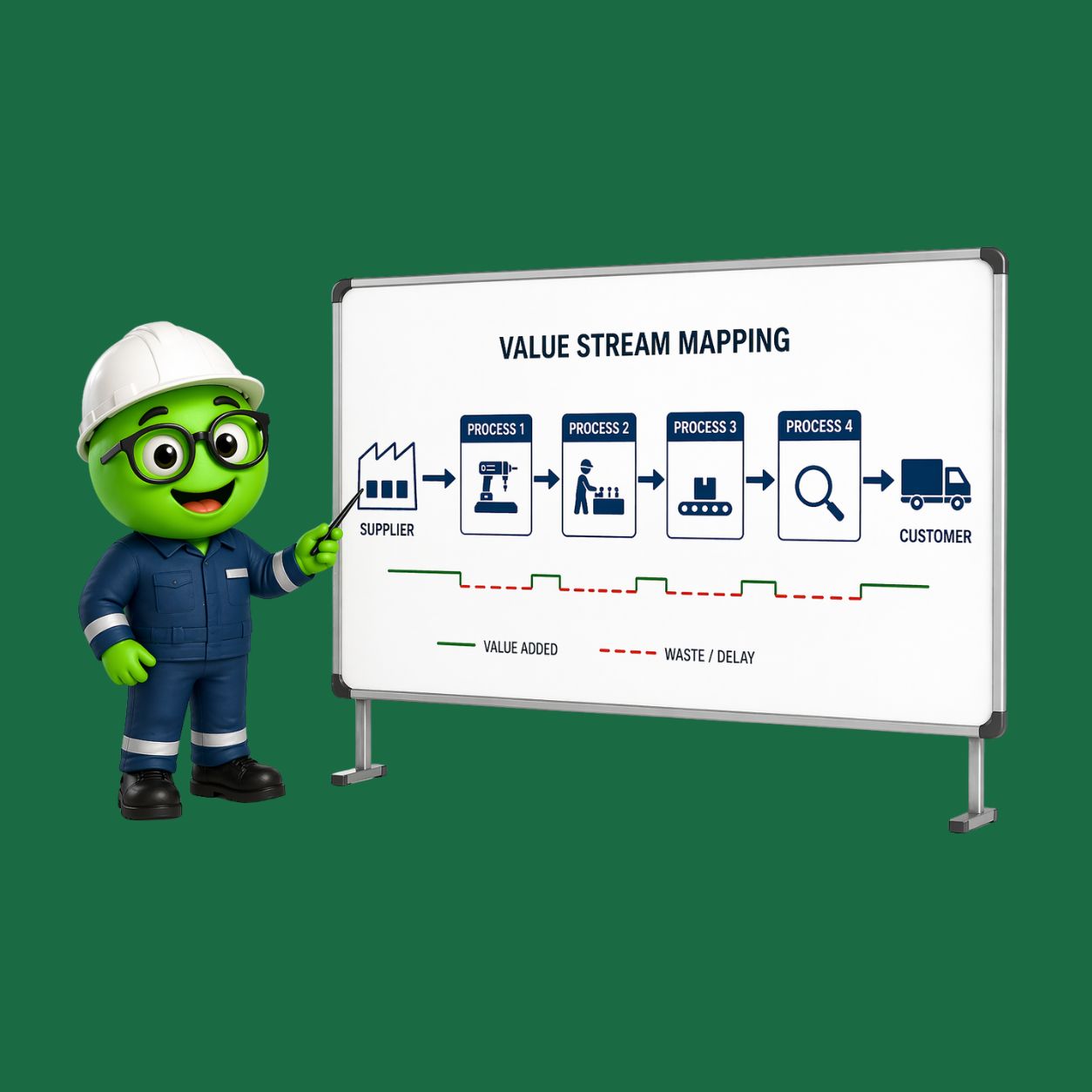
Value Stream Mapping (VSM): The Lean Tool That Shows You Exactly Where Your Factory Is Losing Time and Money

Value Stream Mapping (VSM): The Lean Tool That Shows You Exactly Where Your Factory Is Losing Time and Money

A bearing manufacturer in Pune was struggling with a 22-day lead time for a product their customer wanted in 5 days. Management assumed the problem was machine capacity. A 3-day Value Stream Mapping exercise revealed something different: the actual machining time was 47 minutes. The other 21.5 days were waiting — in queues, in batches,

Read More
Kanban Implementation in Indian MSMEs: How to Replace Overproduction with a Demand-Driven Pull System

Kanban Implementation in Indian MSMEs: How to Replace Overproduction with a Demand-Driven Pull System

A mid-size engineering components manufacturer in Rajkot was simultaneously experiencing two problems that seemed contradictory: critical raw materials running out and causing production stoppages, while their warehouse was overflowing with finished goods no one had ordered. The planning manager was scheduling based on forecasts. The warehouse team was building safety stock. And the result was

Read More